Sheet metal and extrusions
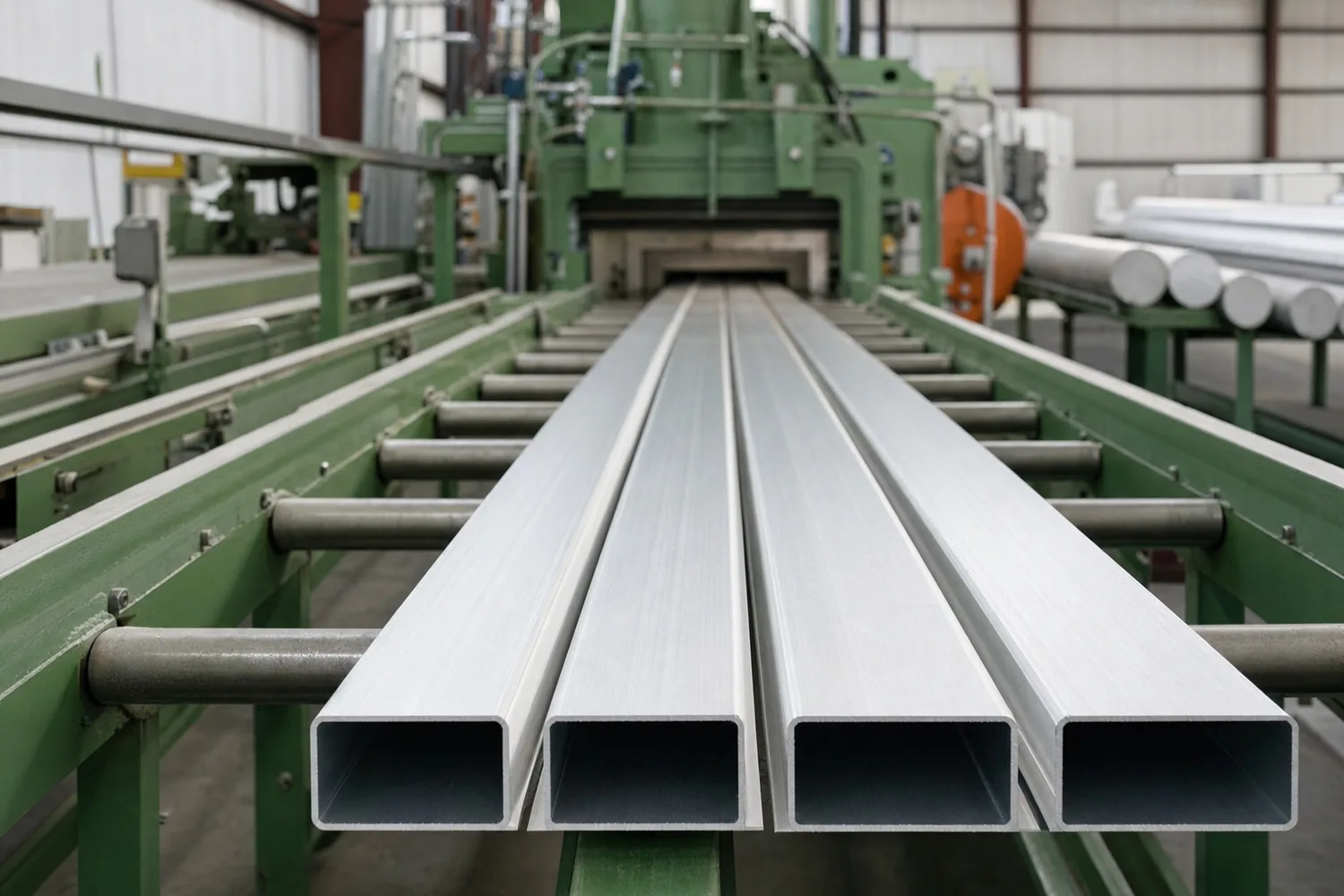
Sheet metal parts are cut from flat sheet and bent into shape. Extrusion pushes heated aluminum through a die to make long parts with the same cross-section from end to end.
What the work includes
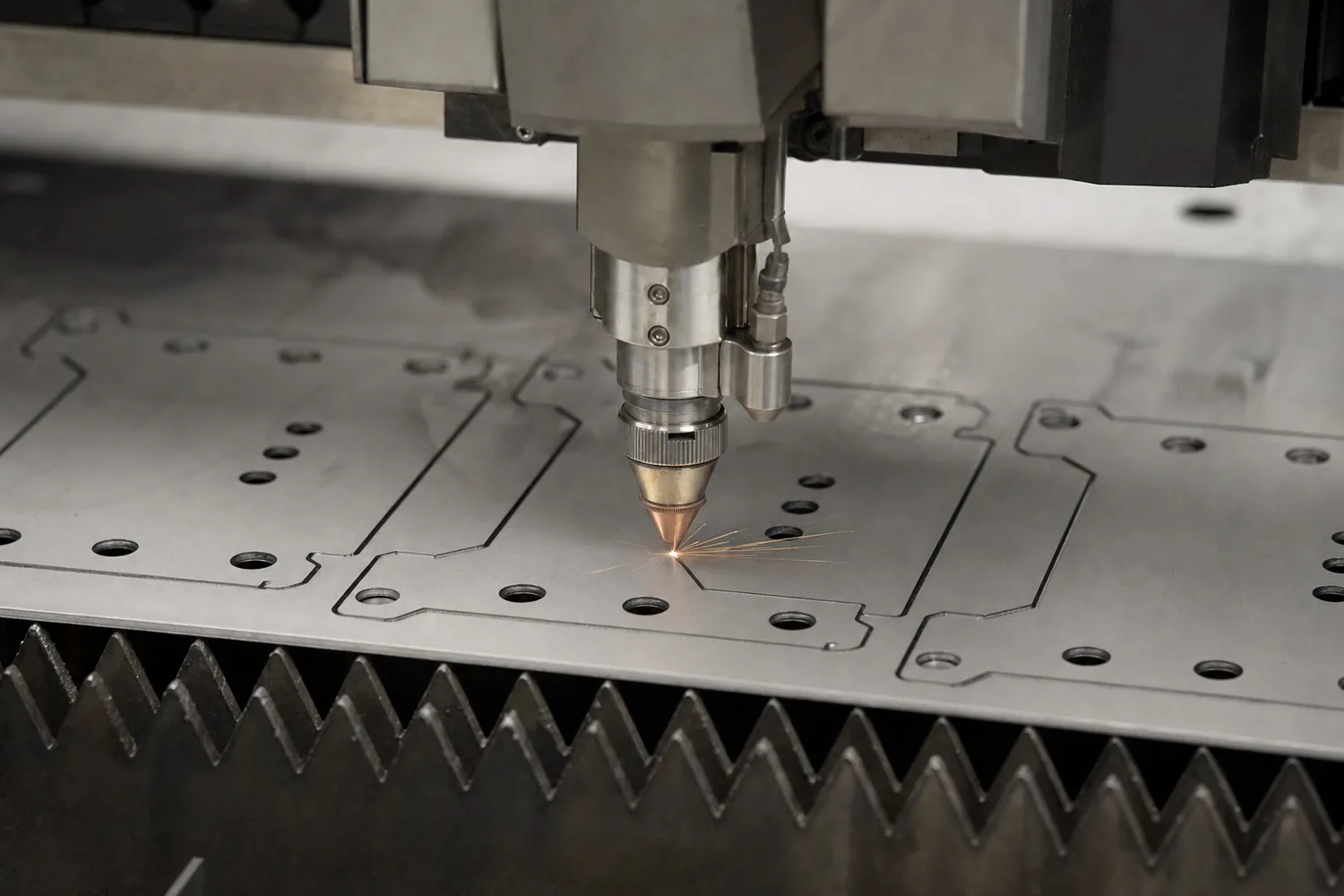
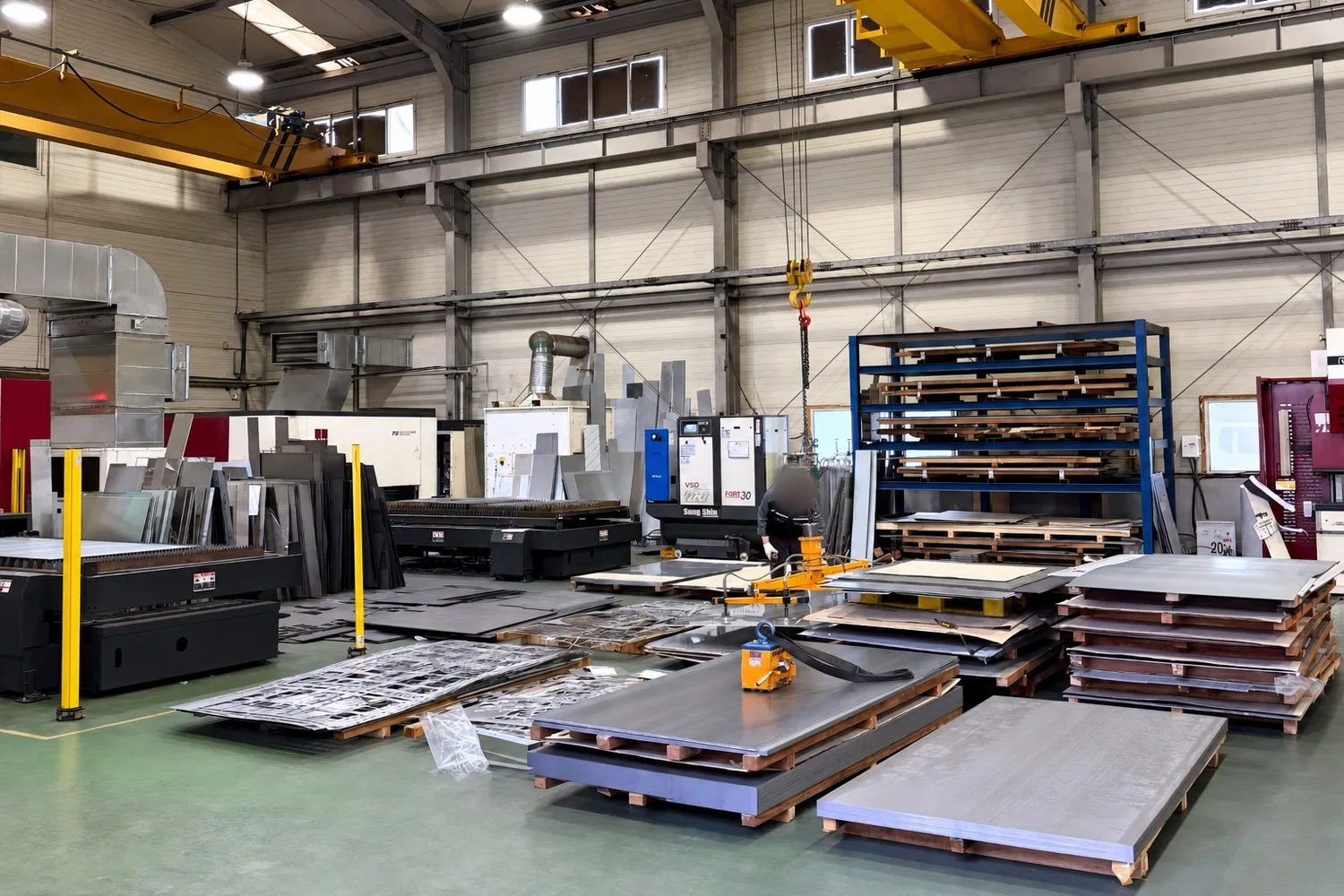
- Laser cutting. A laser cuts the flat outline and its holes from the sheet.
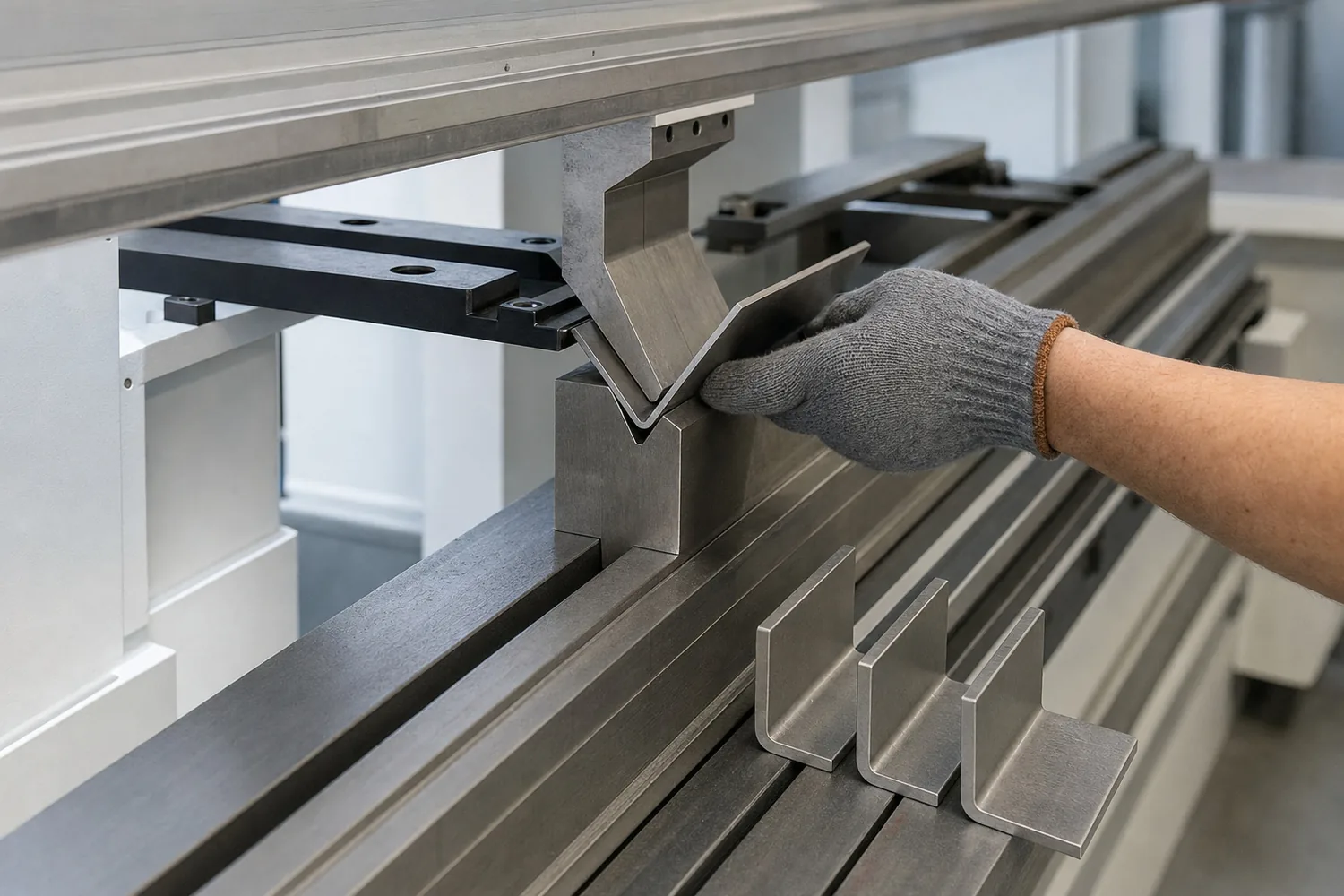
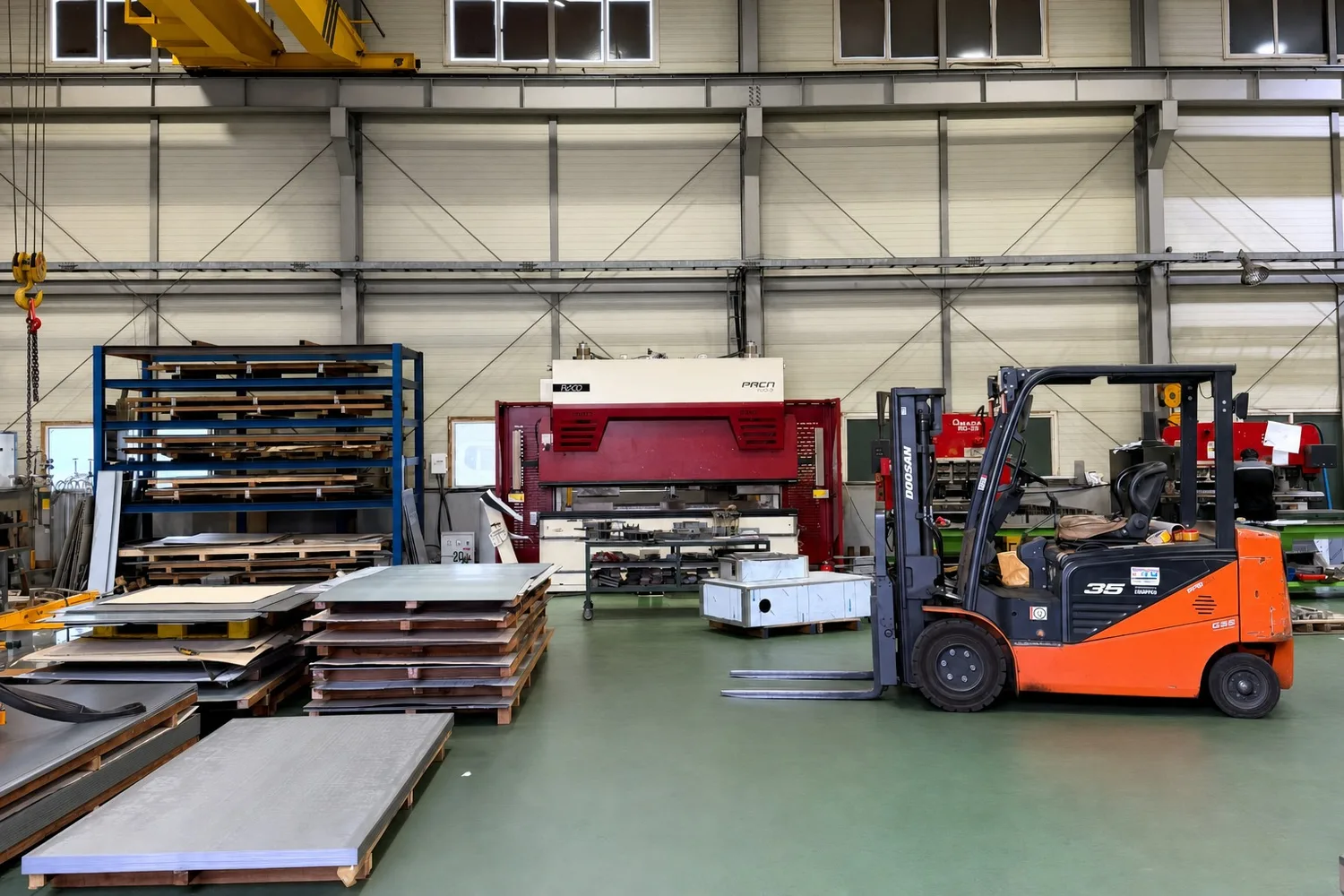
- Bending. A press brake folds the flat part along straight lines.
- Hardware insertion. Threaded nuts and studs are pressed into the sheet.
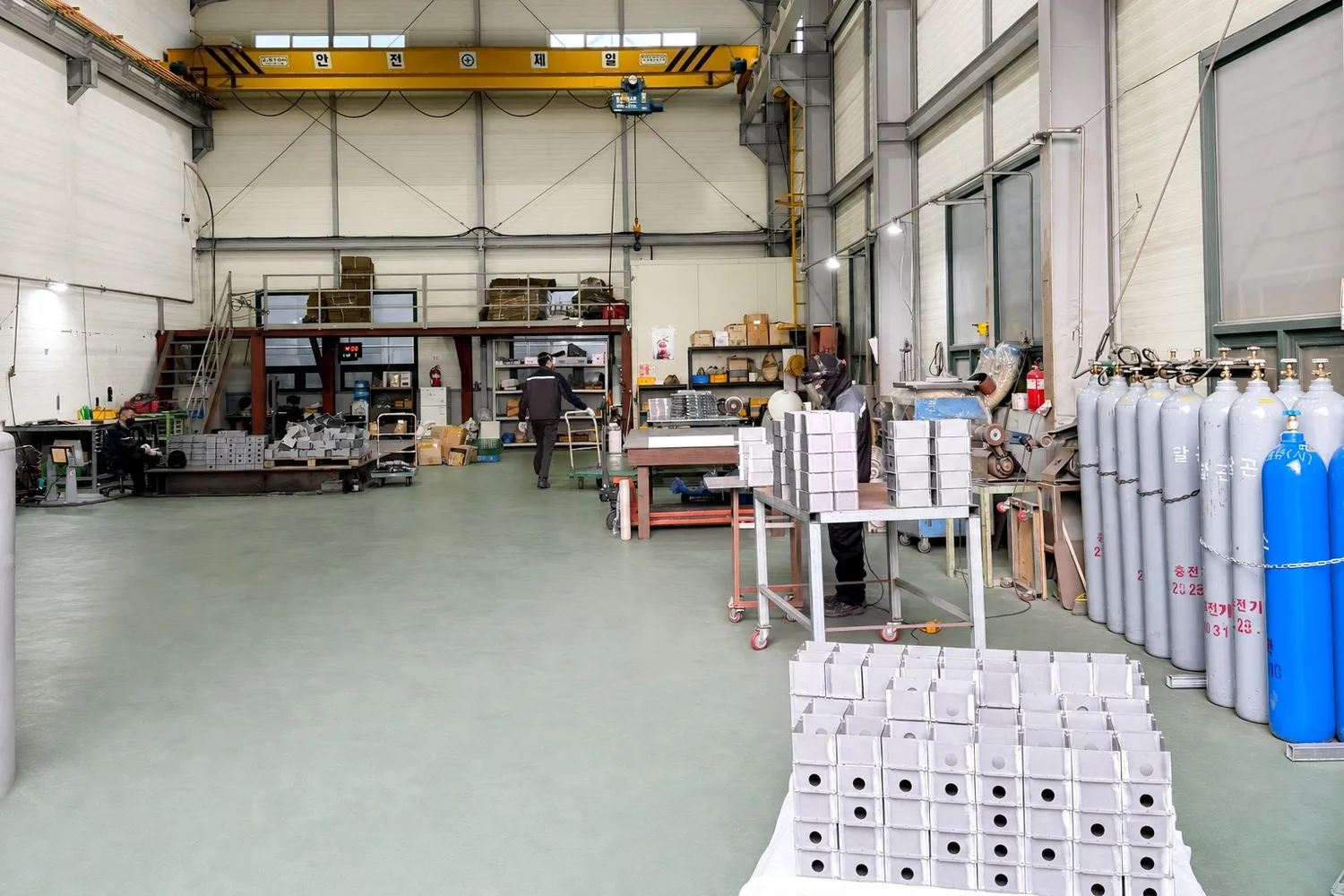
- Welding. Parts are welded where bends alone can't close or stiffen the shape.
- Aluminum extrusion. The profile is extruded, cut to length and machined for ports and mounting holes.
What it makes and when to choose it
Brackets, chassis, covers, metal enclosures, heat-sink bodies and rails.
Cut and bent sheet metal needs no tooling made for the part, so it fits from a few units to a few thousand. From about 5,000 to 10,000 parts a year, compare it with a stamping die. A custom extrusion die costs little next to other tooling, but extruders sell by weight per run, so it starts to pay at about a thousand units a year. For thick or fully three-dimensional shapes, CNC machining fits better.
Common materials
| Material | Chosen for |
|---|---|
| Aluminum 5052 | Light, bends well and resists corrosion, for covers, chassis and brackets. |
| Cold-rolled steel | Strong and inexpensive. It needs paint, powder coat or plating against rust. |
| Galvanized steel | Steel with a zinc coating, for internal parts that stay unpainted. |
| Stainless steel 304 | Corrosion resistance and a metal finish with no coating. |
| Aluminum 6063 (extrusion) | The usual extrusion alloy: a smooth surface that anodizes well. |
Finishes
Powder coat (steel and aluminum), anodizing (aluminum only), chem film (aluminum that must conduct for grounding), zinc plating (steel), brushing or passivation (stainless steel)
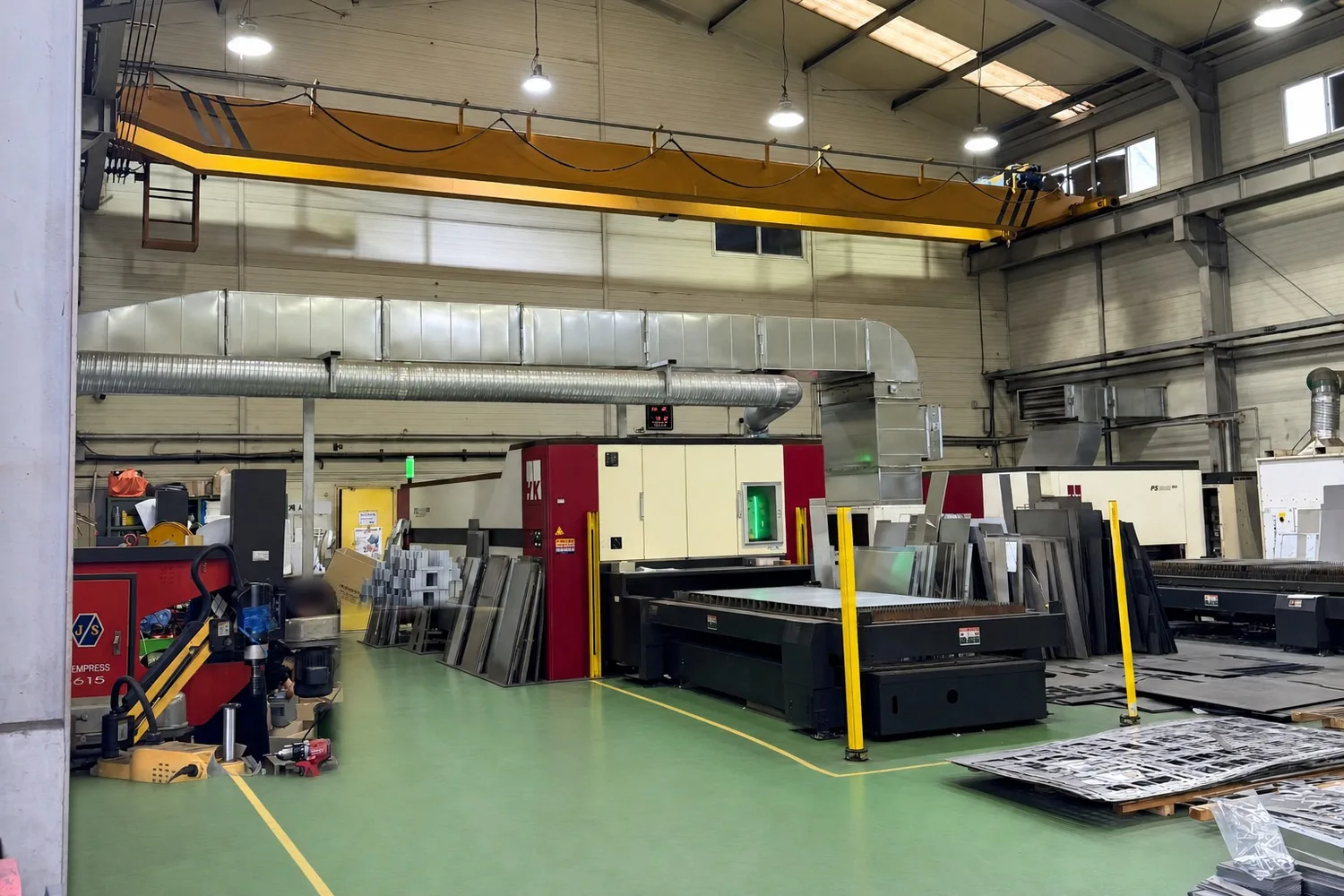
Photographs from the shop floor
Frequently asked questions
Is sheet metal or CNC machining cheaper for a small electronics enclosure?
At low volume, usually sheet metal. A bent two-part box needs no tooling, and online shops price a bent part about 120 to 165 mm on a side at $16 to $25 each for 100. A machined aluminum shell costs more, because every part needs machine time; it fits a few hundred units or a product whose look justifies it.
When is a custom aluminum extrusion worth it for an enclosure?
From about a thousand units a year. The die cost about $1,000 to $4,000 at North American extruders in 2019, but the usual minimum order, 1,000 to 2,000 pounds of profile, is about 2,000 to 4,000 small housings, so you buy a few years of housings at once unless you find a smaller extruder or pay a minimum charge.
Why does a waterproof enclosure need a vent?
A sealed case pushes out when it heats and pulls in when it cools. If hot air escapes past the seals, cooling from 60 °C back to 20 °C pulls in about 120 mbar, more than the 1 m immersion test. A breathable ePTFE vent equalizes the pressure, takes the load off the seals and lets water vapor out.
Other processes
We work fromSTEP · IGES · STL · Drawings · Photos
Tell us what you're building and how many you plan to make.
A real person on our team will reply with a first look at your production run and a few times to talk.
Free first look. We reply within two business days. Sending a request doesn't commit you to a project.